How To Make Sprouts at Home, and Why
Jump to Recipe ↓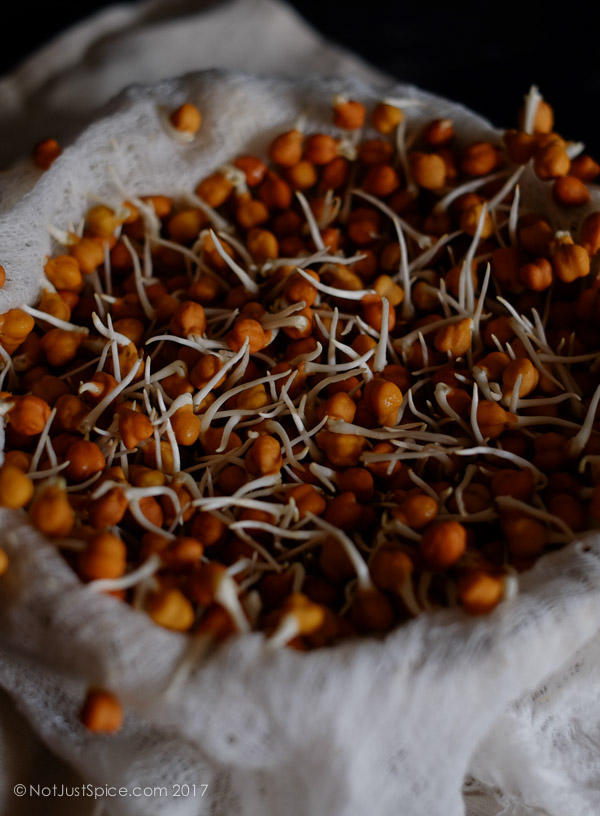
There is something so innately gratifying about eating produce grown in soil, isn’t it? Fruits, vegetables and seeds when prepared well are beneficial. When not prepared well, they aren’t. Disagree? What about those heartburns and gassy tummies after eating a vegetarian meal? There’s no meat to blame.
Of course our grandmothers and mothers knew better, and they learnt from their ancestors to soak these legumes before they ate it. All of this soaking doesn’t just make it easier to cook, more importantly, it makes it easy for our body to absorb the grains’ nutrients, just as we’re supposed to. The more I read up about soaking and sprouting grains and legumes, and nuts and seeds, the more fascinated I became. Did you know that dry legumes contain anti-nutrients that require neutralisation? I didn’t even know that anti-nutrients was a word. They contain phytates and enzyme inhibitors that do not allow your body to fully enjoy and absorb the nutrients you are meant to absorb.
Sprouting these seeds unlocks all the nutrition that the seed produces to feed the tiny plant growing within, and when you feed your body this nutrient powerhouse, it will thank you with great health! Sprouting mimics germination, thus activating vital nutrients. You must consider making sprouts a part of your daily diet: apart from it being a nutrient powerhouse sprouts keep keep your weight and hypertension under control, they give you your daily dose of protein, it reduces our blood cholesterol, prevents anemia and regulates our blood sugar.
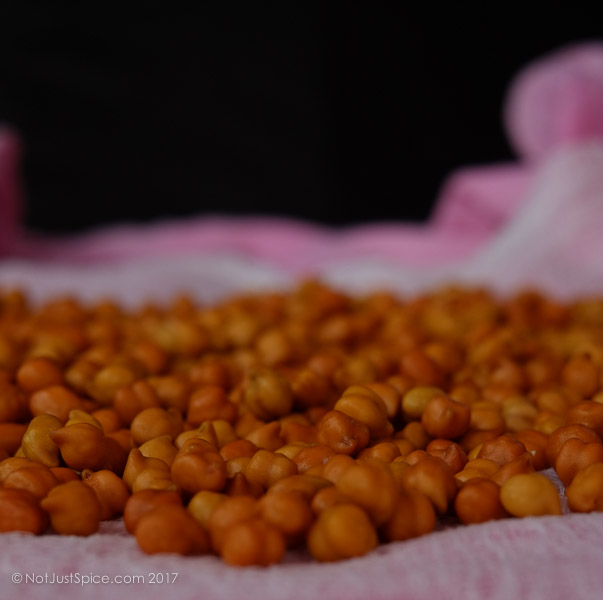
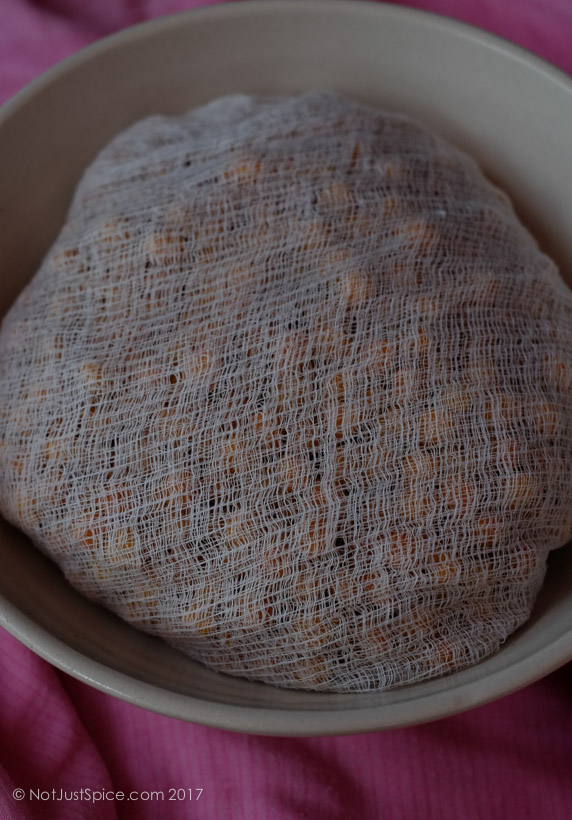
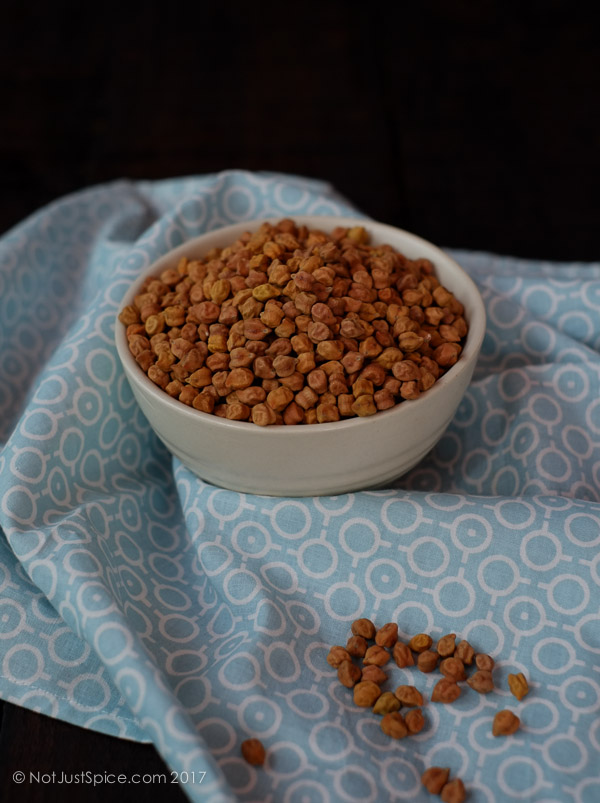
Souring, soaking and sprouting all your legumes, nuts, beans and grains is the best thing you can do for your gut and general well being: it increases digestion, removes contaminants, and reduces the effects of phytic acid. And when you ignore this sound advice, you land up with tummy troubles and over time, serious gut issues like IBS and a leaky gut. This no-soaking business is fraught with problems. Oh yes. It’s when your body works overtime and extra hard to extract and break down the complex nutrition in the legumes that weren’t soaked you get a lot of unwanted gas in your gut. That’s when you hear all those groans and moans from your gut. Also, remember to limit your consumption — eating too much is harmful!
I can see the scales falling from your eyes, just as I had them fall from my eyes. Forget the time it takes, and think of it this way: you are taking care of yourself the best way you can. So go ahead, make ’em and use them as is or in salads, sandwiches, curries, soups — just about anything.
Storage: Wrap them in paper towels and seal them in ziploc bag or airtight containers and keep them in the coldest part of your fridge. They stay in the fridge for upto 4 days.
What did you soak? What did you use your sprouts in? Let me know in the comments below. Share you photos with me through Facebook, Instagram and Twitter: #notjustspice.
Related Links: Legume (Wikipedia)
Chickpea (Wikipedia)
How to Soak & Sprout Nuts, Seeds, Grains, & Beans (vegetariantimes)
How to grow mung beans, alfalfa and other sprouting seeds (The Guardian)
Nutritional Benefit of Soaking Beans Prior to Cooking (livestrong.com)
The Benefits of Soaking Nuts, Seeds, Grains and Legumes (Deliciously Organic)
HOMEMADE SPROUTS AND THE RIGHT WAY TO EAT SEEDS! (loveisinmytummy.com)
Benefits of Eating Sprouts in Our Daily Diet – Good and Bad Effects (The Fit Indian)
What Are Sprouts Good For? (FoodFacts)
Garbanzo Beans for Weight Loss (livestrong.com)
11 Best Benefits Of Sprouts (Organic Facts)